
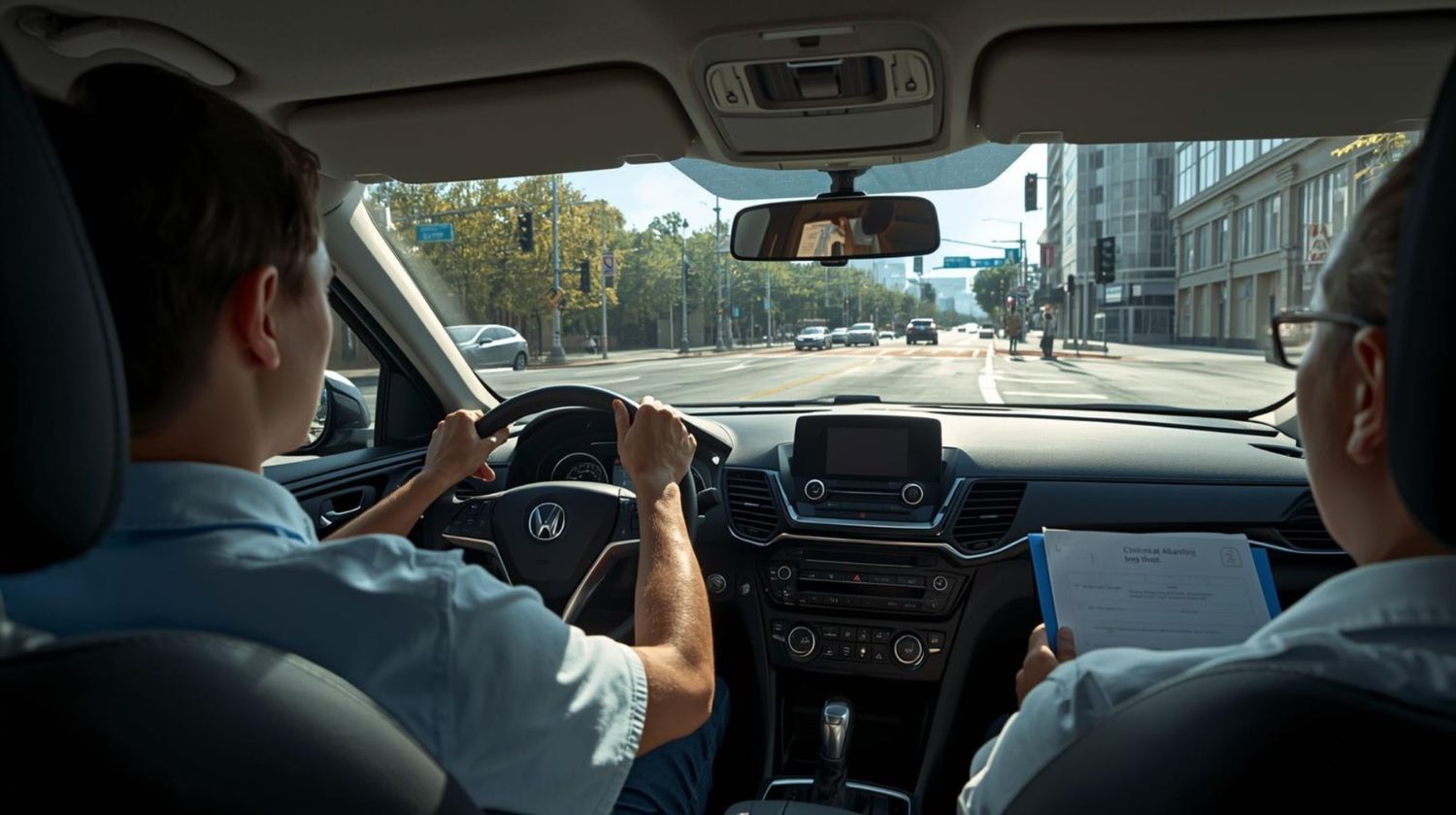
It can be quite overwhelming while preparing for your driving test, especially if it’s your first time behind the wheel for an official evaluation. The DMV road test is designed to measure an individual in the context of their ability to drive safely, adherence to traffic rules, and response to real-world situations. With proper preparation, practice, and guidance, it will be much easier to pass the road test.
If the question – ‘how to pass DMV road test requirements successfully’ often comes to your mind, the key is to combine knowledge, practical driving experience, and confidence. Professional driving schools like 2020 Driving School help students in developing the necessary skills through structured lessons, behind-the-wheel training, and classroom training.
Understand the Structure of the DMV Road Test
However, before learning how to pass the DMV road test, it’s important to understand what the examiner is assessing. During the road test, your safe driving skills and proper control of the vehicle are tested in real traffic situations.
When taking the test, examiners usually evaluate skills as:
- Starting and stopping smoothly
- Lane positioning and turning
- Obeying traffic signals and signs
- Maintaining proper speed
- Checking mirrors and blind spots
- Parking and backing techniques
Such skills demonstrate that a driver is knowledgeable of the rules and regulations on the road and can apply them in everyday driving situations.
Complete Proper Driving Training
Professional instruction is one of the most effective methods to prepare for the road test. Driving schools provide structured lessons that help students gain confidence and experience.
For example, 2020 Driving School offers multiple training programs, such as in-car instruction, private driving lessons, and behind-the-wheel training aimed at helping students develop safe driving skills.
Students receive guidance from experienced instructors who offer them feedback on areas like steering control, lane positioning, and defensive driving techniques. These lessons help drivers improve before taking the test.
Practice Behind the Wheel Regularly
Regular practice is one of the most essential things for anyone who wants to learn how to pass the DMV road test requirements. Most states require new drivers to practice a certain number of hours before they can take the test.
The practice sessions should include different driving conditions, such as:
- Residential streets
- Busy intersections
- High-traffic roads
- Parking lots
Practicing in different situations helps drivers to build confidence and adjust to real-world situations that may appear during the exam.
Learn the Common Driving Test Routes
Becoming familiar with the roads near your local DMV testing location is another helpful strategy. Many DMV road tests use routes within a short distance of the testing office.
Practices in such areas may assist you in being ready to face scenarios such as:
- Traffic lights and stop signs
- Lane changes
- School zones
- Four-way intersections
Practicing in the region will enable you to recognize potential challenges and feel more comfortable on test day.
Master Basic Driving Skills
Strong fundamental driving skills play a major role in passing the road test. Examiners look for drivers who showcase smooth, controlled movements instead of drivers who drive aggressively and unpredictably.
Focus on mastering the following skills:
- Smooth Acceleration and Braking: Do not use sudden acceleration or hard braking. Gradual acceleration and controlled braking demonstrate that you understand how to operate a vehicle.
- Proper Mirror and Blind Spot Checks: Always check mirrors and blind areas before turning, merging, or changing lanes. Examiners want to see a clear awareness of surrounding traffic.
- Complete Stops at Stop Signs: A common mistake during the road test is performing a ‘rolling stop’. Before proceeding, drivers must come to a full stop and check for pedestrians and vehicles.
- Correct Lane Positioning: Remain in your lane and avoid drifting towards other lanes or the curb. Maintaining a consistent lane shows good steering control.
Demonstrate Defensive Driving
Defensive driving is about being alert and predicting situations that other drivers or pedestrians may cause. Examiners appreciate drivers who remain calm and aware of their surroundings.
Defensive driving includes:
- Maintaining a safe following distance
- Checking mirrors often
- Keeping an eye on the pedestrians and cyclists
- Adjusting speed based on traffic conditions
These habits show that you can respond safely to changing road conditions.
Prepare for the Test Day Inspection
The examiner may perform a brief vehicle inspection to ensure the car is safe for testing before the driving portion begins.
They may check items such as:
- Seatbelts
- Headlights and brake lights
- Turn signals
- Windshield wipers
- Vehicle registration and insurance
Ensure that the care you plan to use is in good working condition to make sure that the test goes well.
Stay Calm and Focused
Being nervous is common during driving tests, but staying calm helps you make better decisions on the road. Many mistakes happen just because drivers panic or rush through maneuvers.
The following are some ways of staying calm:
- Getting enough rest the night before
- Be punctual for your appointment
- Taking a few breaths before starting
- Paying attention to the instructions of the examiner
When you make a minor mistake, do not panic. Continue driving safely and consider the next instruction.
FAQs
-
What skills are tested during the DMV road test?
The DMV road test evaluates your ability to drive safely in real traffic situations. Examiners typically assess skills such as turning, lane changes, stopping at intersections, parking, and overall awareness of road rules.
-
How can I prepare for the DMV road test effectively?
To learn how to pass the DMV road test, practice driving regularly in different traffic conditions, and review traffic laws. Taking professional driving lessons can also help you improve essential driving skills and build confidence.
-
What are common mistakes people make during the DMV road test?
Some common mistakes include failing to check blind spots, rolling through stop signs, improper lane changes, and speeding. Staying calm and following instructions carefully can help avoid these errors.
-
Can driving lessons improve my chances of passing the test?
Yes, structured driving lessons are guided by experienced instructors who teach safe driving habits and proper techniques. This training helps students gain confidence and prepare for real test scenarios.
-
What should I bring on the day of my DMV road test?
You usually need your learner’s permit, proof of insurance, vehicle registration, and a properly functioning vehicle. Arriving early and ensuring your vehicle meets safety requirements can help the test go smoothly.
 1. Personalized Skill Development
 2. Test-Ready Results
 3. Flexible & Convenient Learning
 4. Safe & Professional Training