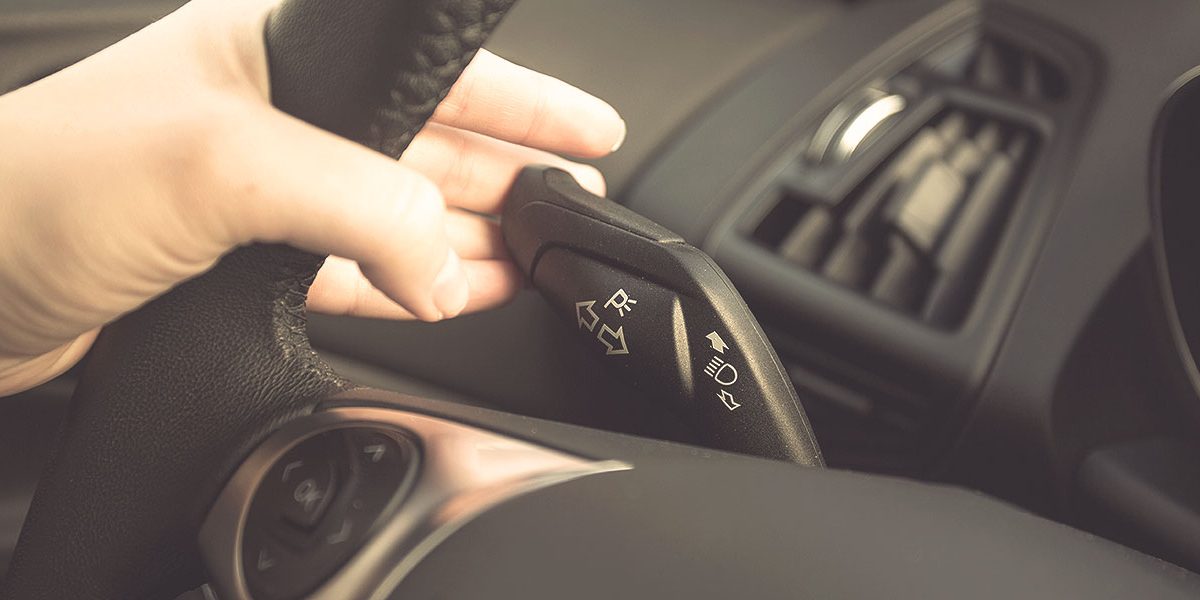

5 Steps to Being a Courteous Driver

Be courteous and safe

During behind the wheel and private driving lessons, we aim to reinforce with new drivers the importance of being courteous to other motorists, and ultimately how this impacts the safety of you, your passengers and others.  Everyone’s heard of road rage incidents, and most, if not all, could have been prevented if drivers were courteous, or simply nice, to each other while traveling down the road.

In light of this, we teach new drivers to be cognizant of these five points whenever they are behind the wheel:

  1. Pay attention when stopped at traffic lights
  2. Use your turn signals when turning or changing lanes
  3. Don’t tie up the left lane
  4. Never tailgate the car in front of you
  5. Let those trying to merge over

In our experience, doing and following these simple steps can help prevent wrecks, avoid traffic tickets, prevent aggressive driving or road rage situations and make you a courteous driver in general.  Let’s dive into these five points.

Paying attention and the basics

Paying attention at traffic lights:  Anyone who has been driving for a period of time has experienced this. The light turns green, and the car in front of you doesn’t move. The driver is clearly not paying attention, and these days most likely doing something on their phone.  Horns start honking and the car finally starts moving.

Using turn signals:  This one really should be a no-brainer, especially since it’s the law in Virginia!  Anytime you make a turn or change lanes, you have to use your turn signal indicating such.  This gives those behind and around you advance notice of your intentions, and can help them in their decision making.

Courteous-Driver-in-Virginia
Tips for courteous driving in Virginia

Use the proper travel lane

Don’t tie up the left lane:  We observed on one of the overhead message boards on Interstate 95 a few months back a great message. It read, “The left lane is for passing, not cruising.”  We are strong advocates for obeying the posted speed limit (for obvious reasons), but do acknowledge that there are quite a lot of other drivers that don’t.

The purpose of the left travel lane, especially on interstate highways, is for faster moving vehicles.  There are even road signs in Virginia advising slower traffic to keep right.  We stress to new drivers during behind the wheel the importance of being aware of your surroundings at all times. Don’t be the “slow poke” tying up the fast lane!

Don’t provoke others

Don’t tailgate:  Another no-brainer here, as it’s not only unsafe and illegal, but can also provoke a dangerous encounter with another driver.  Maintaining a safe following distance is key to your safety and that of others.

Lastly, allow other cars to merge:  This is a big sticking point with our team and it really drives us nuts when we see it happen, which is far too often.  A driver is trying to merge onto the road you’re traveling, such as in interstate off ramp, and others are speeding up to prevent this car from merging over.  Really?  Will that extra car length really make a big difference in the amount of time it will take you to reach your destination. Nope, don’t think so.  Yet daily we see this occurring, and it’s just flat out rude.

Behind the wheel and private lesson students receive a lot of information on how to drive safely, and these are amongst the most popular tips we provide for being courteous to others.

Return to article list

What Footwear to Wear While Driving

Constant reminders

Behind the wheel and other in-car lesson students are reminded regularly about the importance of wearing the appropriate footwear whenever they are driving.

While there are no laws governing this in Virginia, it’s highly recommended that drivers:

  • Do not drive in sandals or flip flops;
  • Avoid wearing long heeled shoes;
  • Not go shoeless or barefoot.

An often overlooked safety concern

An often overlooked matter of safe driving, what you have on your feet can make a big difference.  Here are a few takeaways to consider.

Sandals and flip flops can slip off of one’s feet while driving, and become lodged under a pedal or otherwise interfere with pedal operation.  This is an extremely dangerous situation, and can happen at any time. Imagine what would happen if your sandal slipped off and got stuck under your brake pedal.  How would you slow or stop?

A somewhat similar situation can arise when driving barefoot.  Pedals may be slippery, and your foot could easily slip off the pedal at the wrong time, causing a potentially hazardous condition.

High heeled shoes pose their own hazards for drivers as well. The heel of your shoe may get snagged on your floor mat, restricting your ability to move your foot. Not a good situation when you need to quickly take your foot off the gas and apply the brakes.

We want to see everyone be safe while traveling Virginia roads. After all, we drive the same routes daily.  Our team makes it a point during behind the wheel and other lessons to remind students of the impacts something as seemingly minor as their shoes can have on their ability to drive safely.

safe-driving-tips-virginia-what-shoes-to-wear

Return to article list

Parent/teen observation program – Ideal for busy parents

Get properly prepared

Is your teenager preparing for their driver’s license? Do you, as a parent, feel concerned about the amount of driving practice they’re receiving with you and whether or not they are learning safe driving skills? If yours is a busy schedule that prevents you from being there to observe your teenager, then our in-car parent/teen observation program is perfect for you to lessen your concerns.

The 45-hour parent/teen driving log is provided once driver’s ed is completed to help parents and guardians log the amount of time they spend driving with their teenage son or daughter while they have their learner’s permit.  Completing and logging such a large number of hours for many parents (and teens for that matter) in today’s world is quite difficult.  Luckily, we’re here to help.

Help keep teens safe

There are countless cases of new teen drivers driving carelessly, which in turn, becomes one of the biggest concerns for parents. Be it following a specific speed limit or applying brakes at the proper time, the amount of skills that are needed to be learned by new drivers are many.

One of the best ways to ensure teen safety and to instill good driving skills, our in-car parent/teen observation program provides teenage drivers with top-notch guidance, all while completing the 45-hour driving observation form. These private driving lessons by experienced and knowledgeable instructors gives your new teen driver the tips and information needed, which will be crucial as they continue their path towards earning their driver’s license.

45-hour-driving-observation-log-virginia-parents-tips

All in all, you can rest assured that our parent/teen observation program is the ideal way for parents as well as teenagers to attain peace of mind that a licensed, certified instructor is there to address any questions or concerns and provide the best possible guidance related to driving.  Plus, our team will help your teenager complete this step in the journey towards earning their Virginia driver’s license.

map-of-parent-teen-observation

So, now that you are aware of the benefits of the in-car parent/teen observation program, don’t waste any more time. Let 2020 Driving School provide professional help and take care of your teen’s needed 45-hours of practice.  Learn more about the program here.

Return to article list

Parents: 3 Things You Should Ask Before Your Teenager Drives Away

Understandably concerned

During a recent conversation with parents of a new teenage driver, the subject of concerns about what their son would be doing now that they have their driver’s license came up.  The mom had worries, and rightly so, what their 17-year old would be doing after school while she and her husband were at work.

As teenage drivers ourselves at one point, we had immediate flashbacks to those high school days of joy riding around Stafford and Fredericksburg, jamming to loud music with our friends, never seeming to end up actually anywhere.  Looking back, what a waste of time, gas and money!

Will today’s tech help?

We talked for a few moments of how technology has changed, with GPS tracking and newer tools available, such as the plug-in devices available from insurance companies and cell phone carriers for a car’s on-board diagnostics (OBD) port.  Tech has definitely provided more options than we experienced as teens to help keep tabs on location, speed, amount of time and miles driven, etc.

There is, for sure, a valid concern as to whether one is merely aware of what their teenager is doing versus being overbearing.  Our position is that when it comes to the overall safety of your son or daughter, their friends and other motorists on the road, one can never have too much insight on to what is actually taking place.

tips-for-parents-of-new-teenage-driver-in-virginia

Giving general parenting advice is not one of our specialties so to speak, however, when it comes to teenagers and receiving their driver’s license, we do have a bit of experience.  Our best advice to these, and all parents of new drivers for that matter, is to ask three simple questions every time their son or daughter is about to drive:

1. Where are you going?

Simply ask the question, “Where are you going?”  This will help paint a picture of what the teen’s intentions are, and help answer the other two questions.  Will they be traveling far?  Should you be concerned about how much gas the car has or will be used?  Do you impose a curfew that your son or daughter must adhere to?  Asking where they are going certainly checks a few boxes off the list.

Virginia-new-teen-driver-parent-tips

2. Who will be with you?

Secondly, find out who will be with them in the car.  This too gives you needed details, and as a teen driver in Virginia, you are limited to the number of passengers you can have with you at a time.

3. When will you be back?

Lastly, and this goes back to the curfew point, ask what time they will be back.  No parent wants to see their child’s grades slip, or athletic activities missed, because the majority of time is spent driving around town.  A simple reminder is to tell them the roads have been around for decades, and will be there for decades more, so you’re not going to miss much if you’re back by whatever time.

Receiving your driver’s license is a significant milestone in a teenager’s life, and maintaining self-control and doing what’s right is a critical part of driver’s ed that’s reinforced during behind the wheel lessons.  As we explained to the worried parents, the tools are available to help keep a grip on behavior, and by asking these three simple questions before a teen drives away can go a long way towards putting one at ease.

Return to article list

The Best Bumper Sticker We’ve Seen In a While

It’s what we preach

That blinky thing you see is a turn signal.  Yes, that’s what was printed on the sticker.  Catchy, for sure!  Our primary goal is to teach safe driving skills to our students, to help make them safer, smarter drivers.

One of the first things taught to new drivers, beginning in the Driver’s Education course, is the importance of using turn signals, whenever turning or changing lanes. In Virginia, turn signal use is also mandated by law, and failing to use them can result in a ticket.  The state also lists turn signal functionality, along with the bulb condition, part of the annual safety inspection.

Does it really matter?

The purpose of turn signals (whether amber in color or red), is to alert other drivers of your intention to turn.  Combined with brake lights as you slow, other motorists take, hopefully, these visual cues and begin to slow or change lanes. However, when you dive into the crash data, more than 1.7 million rear-end collisions occur each year in the U.S.  With the ever increasing amount of distractions today’s drivers face, these numbers will only continue to increase.  Maintaining a safe following distance and looking for signs of the car in front’s intention to change lanes is one of the very first lessons taught in our behind the wheel and private lesson sessions.

safe-driving-use-turn-signal-turn

Using signals every time you intend to turn should be a habit all drivers have. Unfortunately, this isn’t the case. We often find that our behind the wheel students miss this step several times during practice, and failing to signal a lane change or turn is often an area for point deduction during their final road test before they earn their driver’s license.

On top of that, one of our recent attendees in a driver improvement class was ordered to attend because they were summonsed for failing to signal their turn, while evading a traffic control device (yes, that’s an actual charge!).  Apparently while they were cutting through a gas station parking lot to avoid a red light, they never used their turn signals.  Talk about piling it on.

Can tech help?

The good news, however, is that automakers are taking steps with vehicle technology to help mitigate the risks of rear-end collisions, with audible and visual warnings to the driver of close proximity to another car or pedestrian.

Additionally, many manufacturers now offer lane departure warning features as an option. These systems help alert drivers if their vehicle begins deviating from its given lane when a turn signal (or that blinky thing) isn’t in use.

Then there’s the feature we’ve seen in several makes where the dashboard display alerts you if your turn signal has been on for an extended period while the car is in motion. We have to admit, this is awesome!  Doesn’t everyone love driving down the road for several miles behind a car with its turn signal flashing?  Perhaps they forgot it was on, it didn’t notice the arrow blinking on their dash or that clicking sound going off.  Makes you wonder how alert they are or if other distractions are present.

As time goes on and more and more vehicle safety improvements are introduced, it’ll be exciting to see if crash numbers decline. Many of these enhanced safety features, however, aren’t yet standard equipment, and instead are offered as add-ons or part of additional option packages.

Despite the tech improvements, however, it starts with the driver.  If one fails to signal a turn or lane change, they’re potentially putting themselves and others at an unnecessary risk. Keep that in mind next time you fail to use your signal, or good luck explaining your reasons why you didn’t flip the lever to that police officer on the side of the road.

Return to article list

Disclaimer: Home and school pickup/drop-off may be available for students located in Fredericksburg, Spotsylvania, and Stafford. Eligibility depends on your exact address, distance, and instructor availability, as most instructors are based within these areas. If your location falls outside our service range or beyond our pickup radius, you will be assigned a designated pickup location. Please refer to our pickup locations here. For confirmation of eligibility, we recommend calling our office before scheduling.

The Virginia DMV is committed to promoting transportation safety through the certification of quality driver training programs. If you have comments or concerns about this driving school, call the DMV toll-free number: (877) 885-5790

Call Us
+1 540 841 6327
Inquiry Now